

Unakuruwa, Tangalle
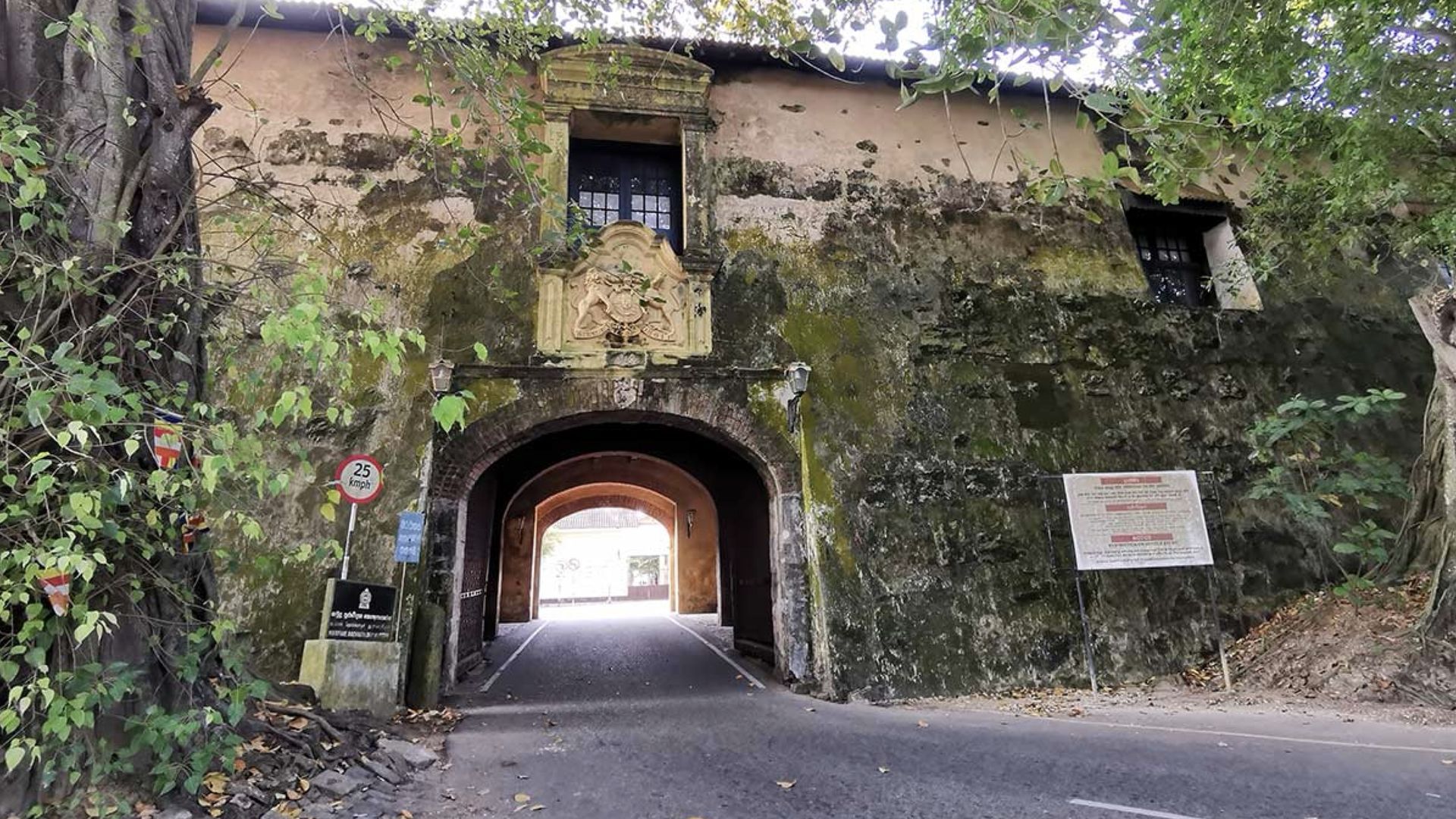


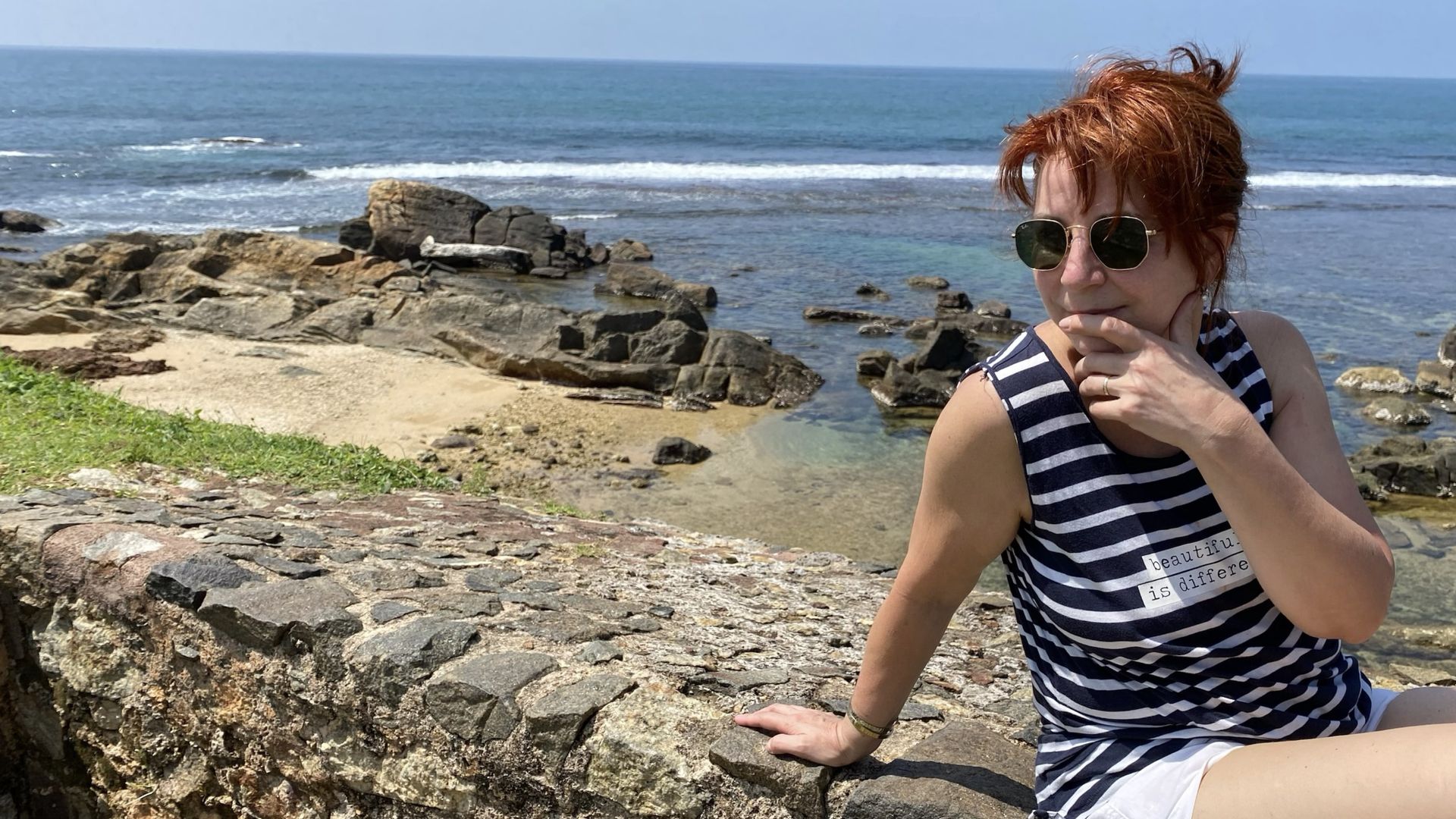
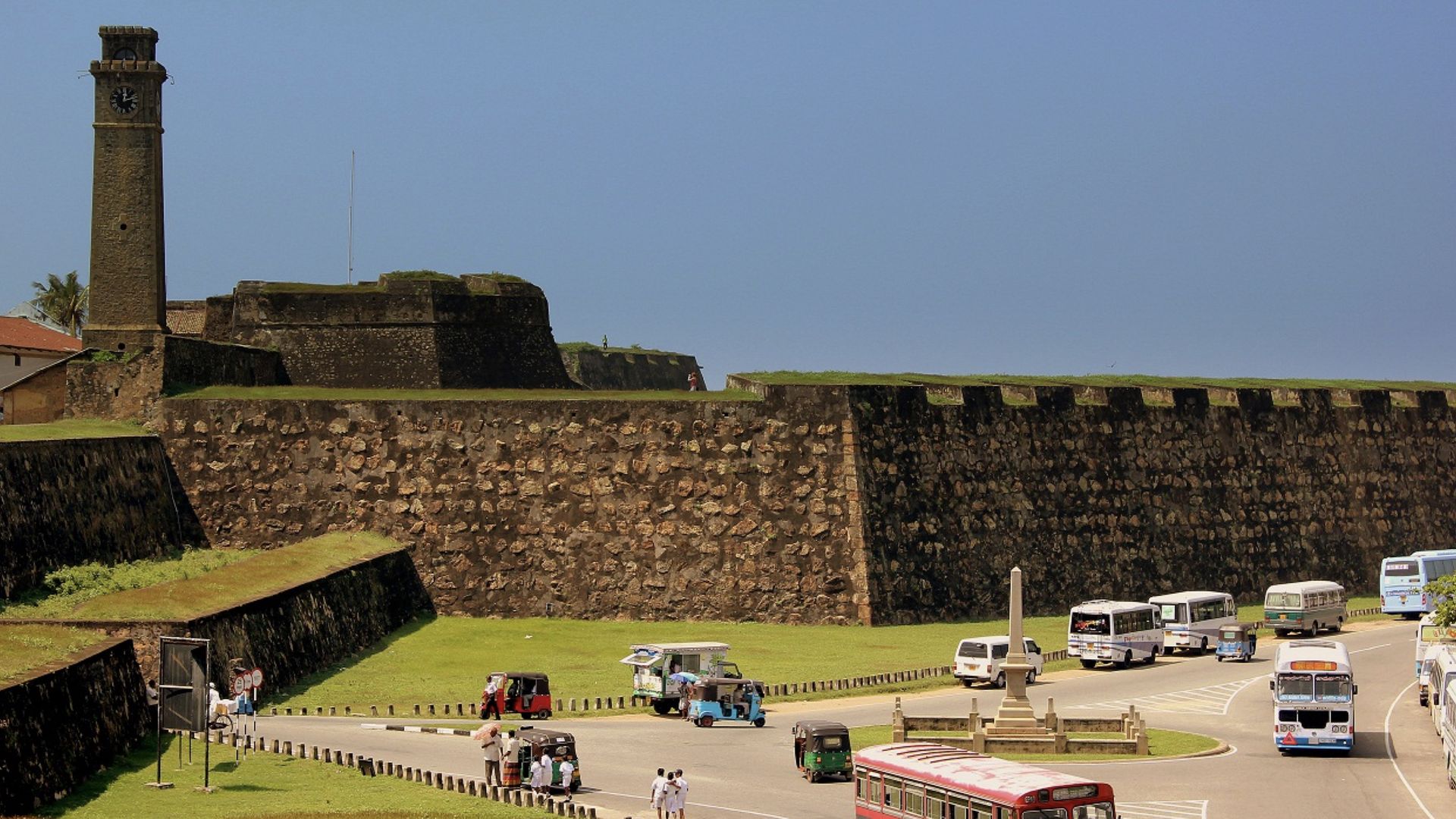
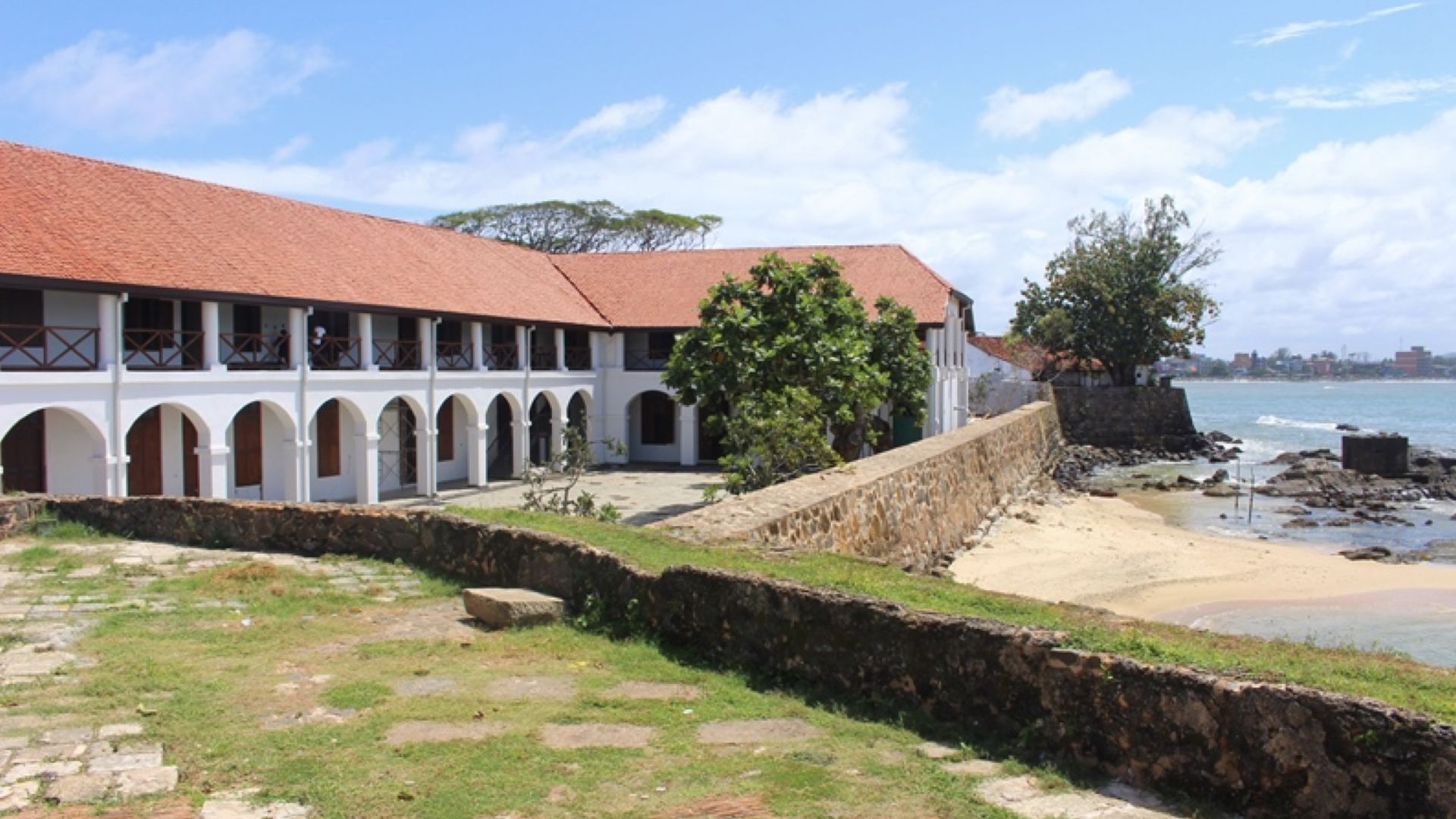
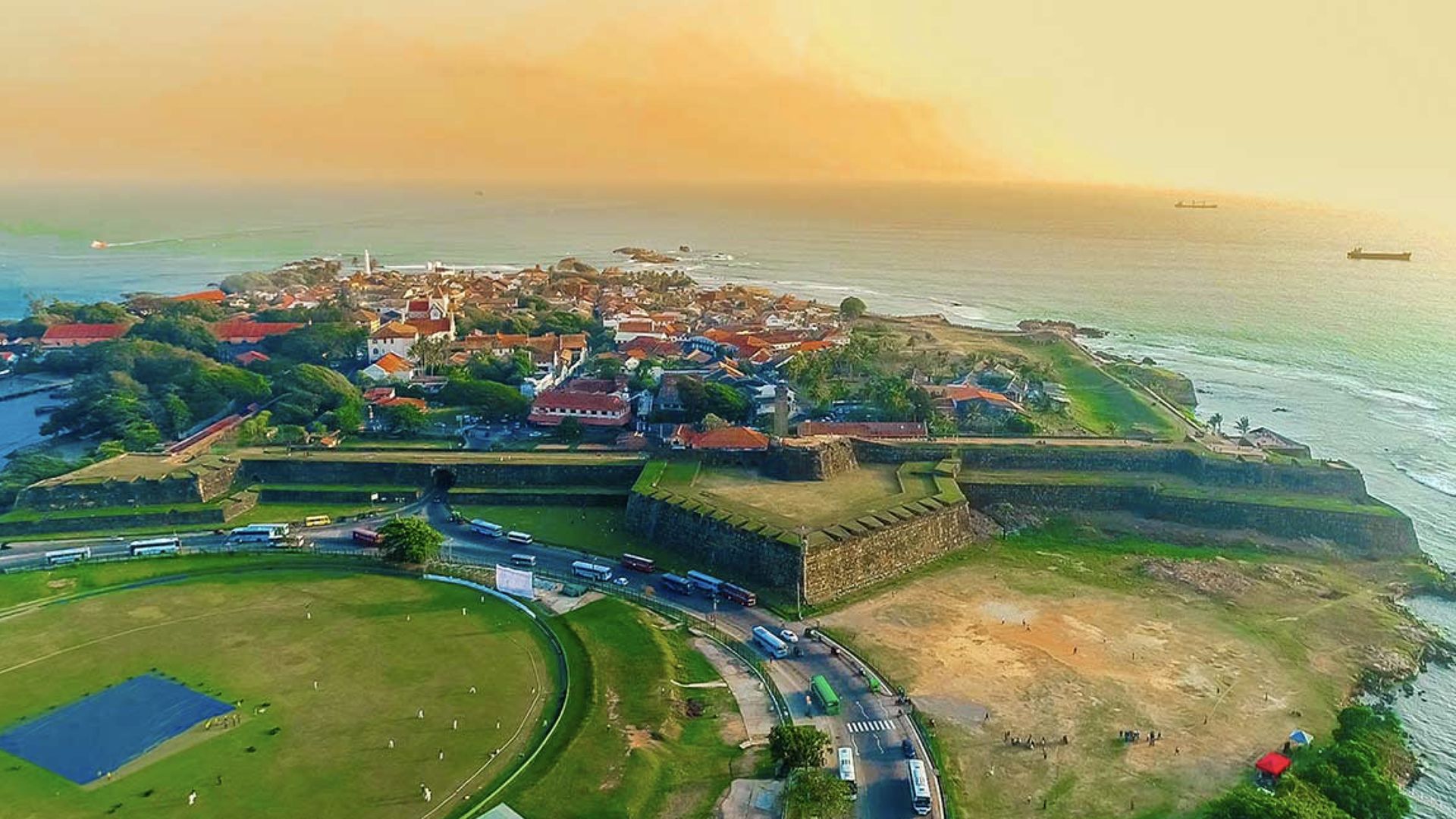
Galle Fort
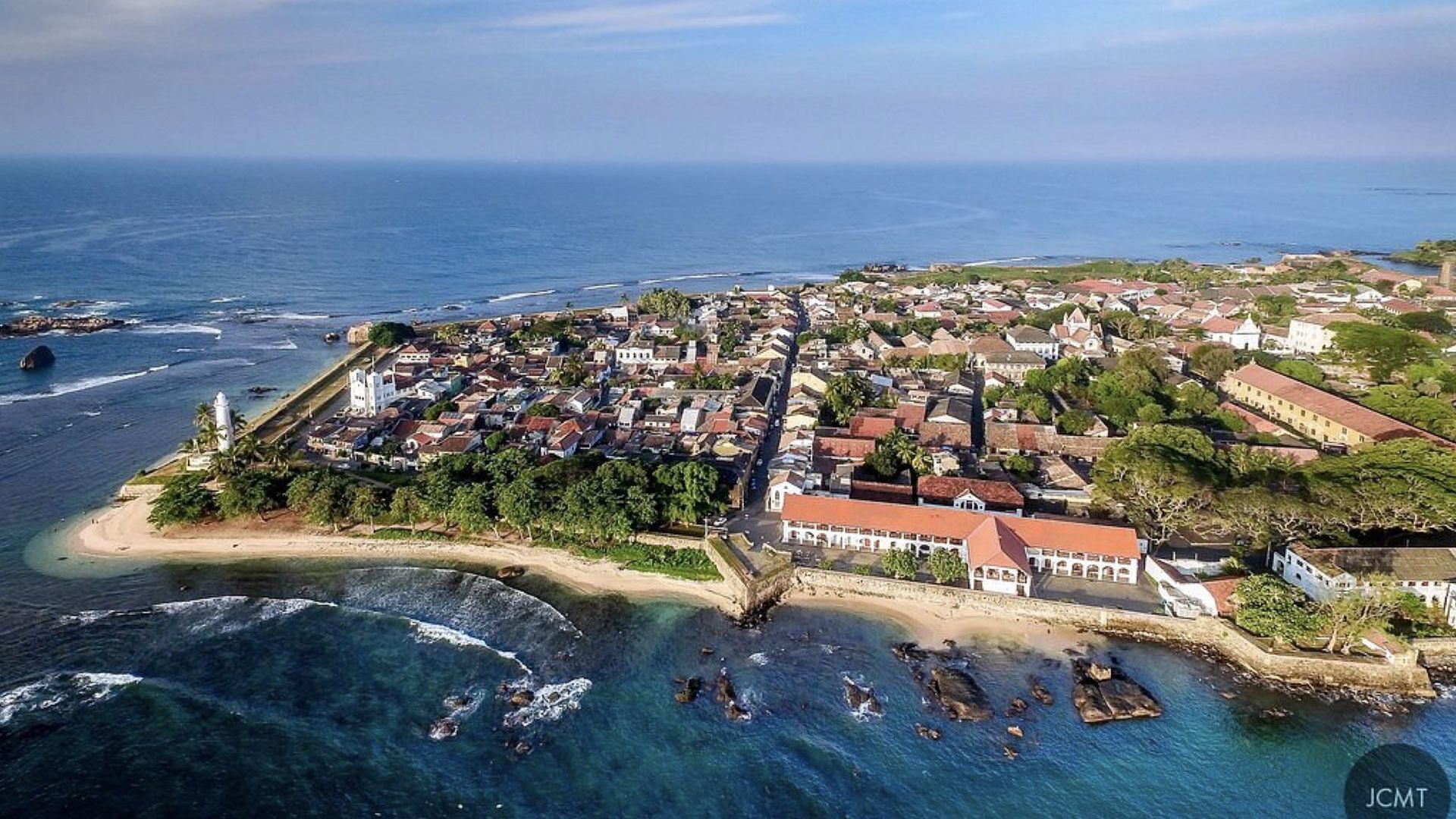
Galle Fort (Google Maps) is a UNESCO World Heritage Site on the southwestern coast of Sri Lanka — about 75 km or a 1-hour drive from Aliya Watunu Hena. A sizeable city by Sri Lankan standards with a population of around 100,000, the majority Sinhalese, with a large Sri Lankan Moor (Muslim) population particularly within the fort area, and a notable foreign resident and holiday-home community.
This old trading port — Dutch-colonial buildings, ancient mosques and churches, grand mansions and museums — tells the story of colonial conquest, architectural ambition, and cultural mixing. Wandering its lanes you pass stylish cafés, quirky boutiques, and impeccably restored properties owned by local and foreign artists, writers, photographers, and designers. You could spend a full day in the narrow streets and laneways without exhausting what's here.
Must-visit spots within the fort:
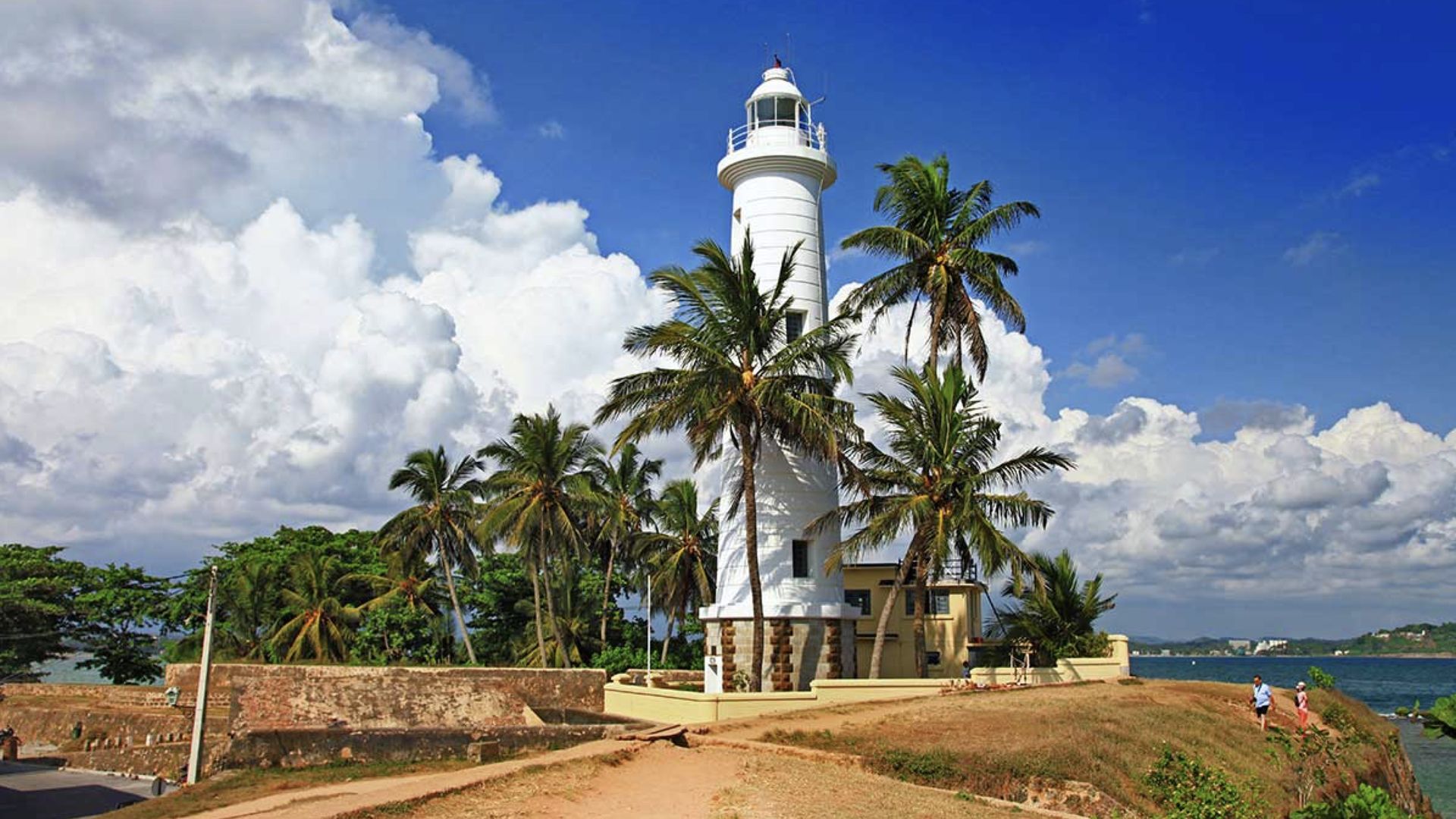
- ☐ Galle Lighthouse — built by the British in 1848, with views over the Indian Ocean
- ☐ Dutch Reformed Church — baroque colonial architecture, built 1755
- ☐ National Maritime Museum — housed in a colonial Dutch warehouse
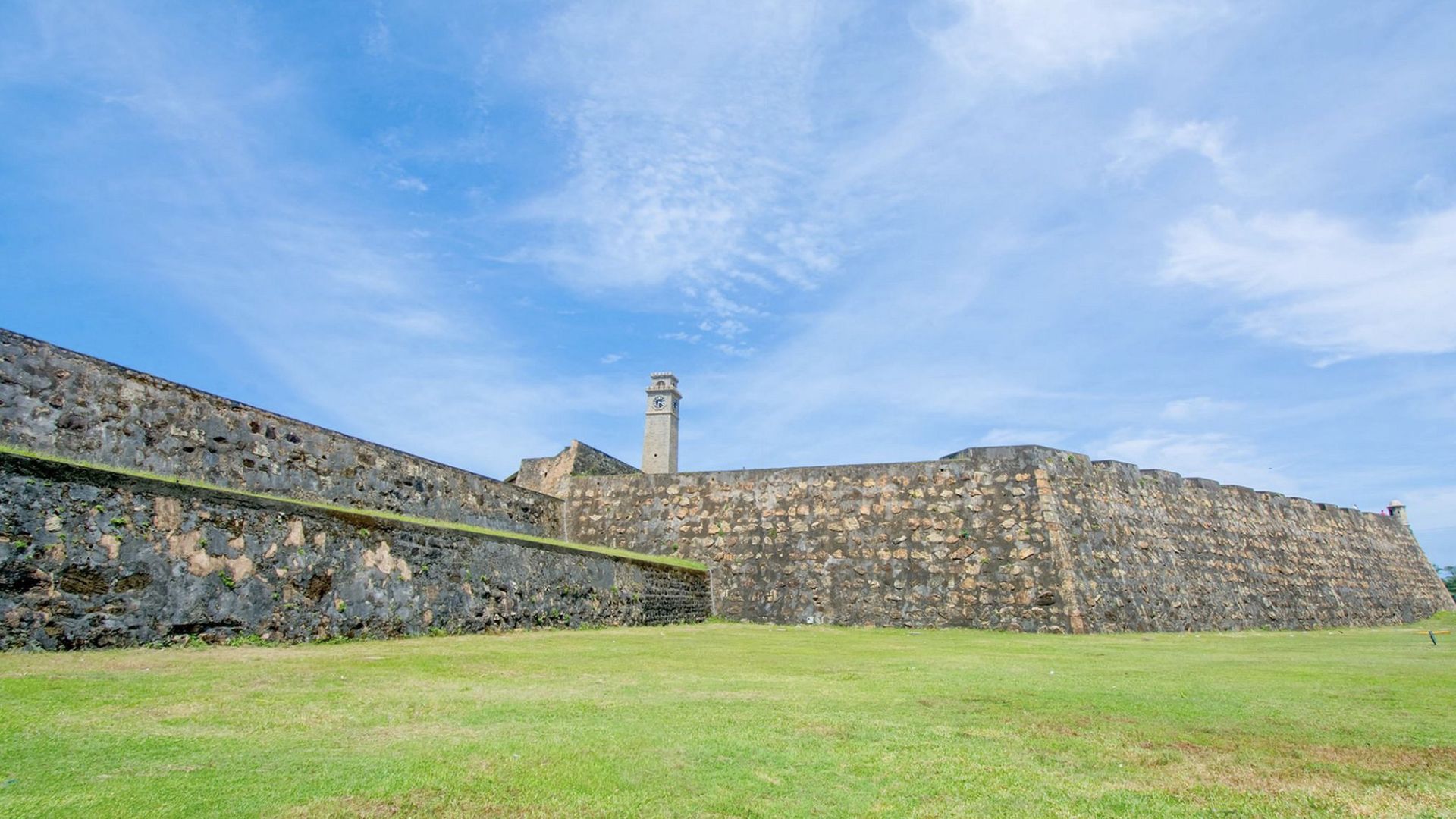
- ☐ Galle Fort Ramparts — panoramic views and the best place for a long walk
- ☐ Old Dutch Hospital — restored building with shops, cafés, and restaurants
- ☐ Flag Rock Bastion — popular for sunsets
- ☐ Historical Mansion Museum — private collection of colonial-era antiques and artifacts
- ☐ Pedlar Street — boutiques, antiques, and cafés
Galle's earliest historical record appears in Ptolemy's world map of 125–150 CE, marking it as a port trading with Greece, Arab countries, and China. The fort's history proper begins in 1505 when the Portuguese made their first landing on the island and established a trading post. In 1640, the Dutch — allied with King Rajasinhe II — captured the fort and undertook extensive fortifications: massive walls of coral and granite, bastions, ramparts, and a star-shaped defensive layout. They added public buildings, warehouses, and an elaborate sewer system that flushed at high tide.
The British took over in February 1796 and Sri Lanka remained a British colony until independence in 1948. Today, Galle Fort is a living place — multi-ethnic, multi-religious, and still evolving. Its heritage value has been recognized by UNESCO for its unique blend of European architecture and South Asian tradition.